email: info@moetryplay.com



-
 Airplane Children’s Outdoor Playground
Airplane themed children’s outdoor playground equipment with S shaped slide and single open slide.
View now
-
-
-
 A fun place for whole family. We provide play equipment for children.
-
 Our product range perfectly cover what a childcare center need, either new center or existing one.
-
 Play can have a special therapeutic value for ill children in hospital or pediatric therapy center.
-
 Playgrounds bring the parents and children together to relax, play and make friends.
-
 Playgrounds make hotels more family-friendly and encourage families to visit and stay.
-
 Our products help children learn about history and future through all kinds of interactive play.
-



A Simple Guide to Design a Natural Playground for Preschool
Release time:
2025-01-08 17:21
Source:


Designing a natural playground for preschool-aged children offers a wonderful opportunity to create an engaging, educational, and eco-friendly space. Unlike traditional playgrounds filled with plastic equipment, natural playgrounds incorporate elements like trees, rocks, sand, and water to encourage exploration, creativity, and physical activity. Here’s a simple guide to help you design a natural playground that fosters growth, learning, and fun for young children.
1. Use Natural Materials
The core of a natural playground is the use of sustainable, organic materials. These elements connect children with the natural world and create a sensory-rich environment. Consider using:
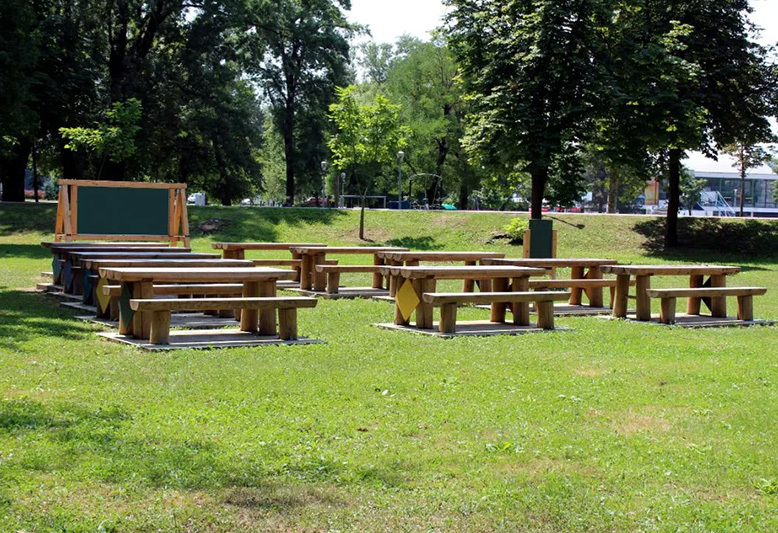
- Wood: Logs, tree stumps, and wooden platforms can be used for climbing, balancing, or seating.
- Rocks: Rocks make great natural climbing features and can be used for balance or as stepping stones.
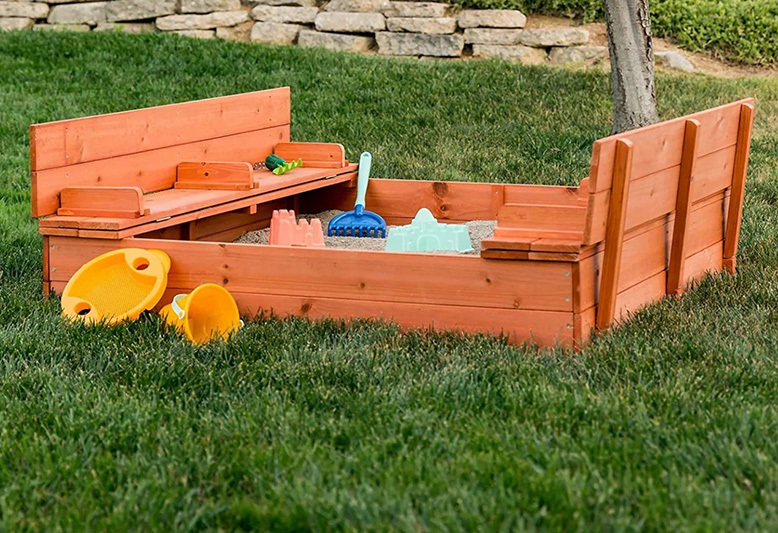
- Sand and Dirt: A sandbox or mud kitchen provides endless opportunities for digging, building, and sensory play.
- Water: If possible, incorporate a water table, stream, or small pond to allow children to engage with water and learn about nature.
- Plants and Trees: Use native plants and trees for shade and shelter, enhancing the play area while providing learning opportunities about local flora and ecosystems.

2. Create Multiple Play Zones
A natural playground should cater to various play styles, encouraging children to explore and develop different skills. Consider these key play zones:
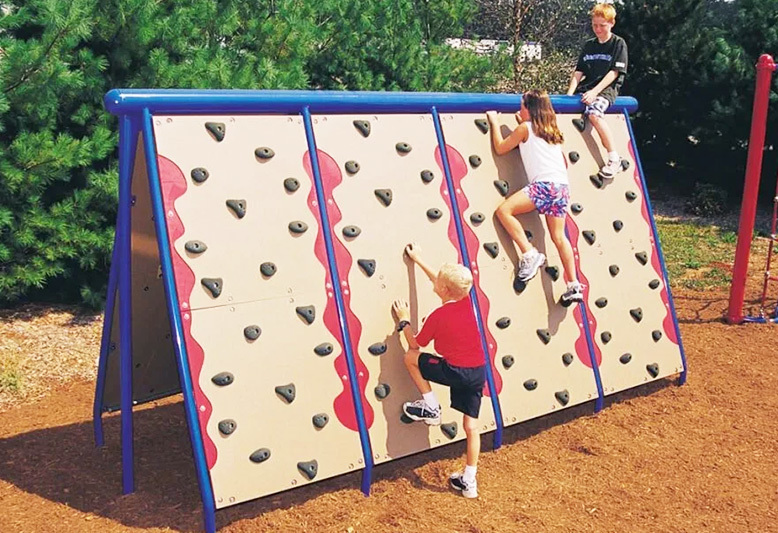
- Climbing Areas: Use rocks, tree stumps, or logs to create climbing opportunities. These areas build strength, coordination, and confidence.
- Messy Play Zones: Sand pits, mud kitchens, or water play areas encourage creative, hands-on play while developing fine motor skills.
- Quiet Spaces: Incorporate shaded nooks or small playhouses for children who need a break from active play or want to engage in imaginative activities.
- Imaginative Play: Natural elements, like tree branches or logs, can serve as props for role-playing, encouraging creativity and social skills.

3. Focus on Safety and Accessibility
Safety is paramount, especially when using natural materials. Ensure the following:
- Soft Surfaces: Use materials like mulch, wood chips, or rubber for soft landing areas.
- Age-Appropriate Design: Make sure structures are low to the ground and suitable for preschoolers.
- Accessibility: Ensure the playground is accessible to all children, including those with disabilities, by providing wide pathways and inclusive play options.

4. Incorporate Environmental Learning
A natural playground also offers a chance to teach children about the environment. Include elements like gardens, birdhouses, or small animal habitats to encourage children’s interest in nature and sustainability.
Conclusion
Designing a natural playground for preschoolers is a rewarding process that fosters creativity, physical development, and an appreciation for the natural world. By using natural materials, creating varied play zones, and ensuring safety and accessibility, you can build a space where children thrive while developing essential skills.
Related Products
You might be interested in
Create a safe and joyful
learning & playing space!

