email: info@moetryplay.com



-
 Airplane Children’s Outdoor Playground
Airplane themed children’s outdoor playground equipment with S shaped slide and single open slide.
View now
-
-
-
 A fun place for whole family. We provide play equipment for children.
-
 Our product range perfectly cover what a childcare center need, either new center or existing one.
-
 Play can have a special therapeutic value for ill children in hospital or pediatric therapy center.
-
 Playgrounds bring the parents and children together to relax, play and make friends.
-
 Playgrounds make hotels more family-friendly and encourage families to visit and stay.
-
 Our products help children learn about history and future through all kinds of interactive play.
-
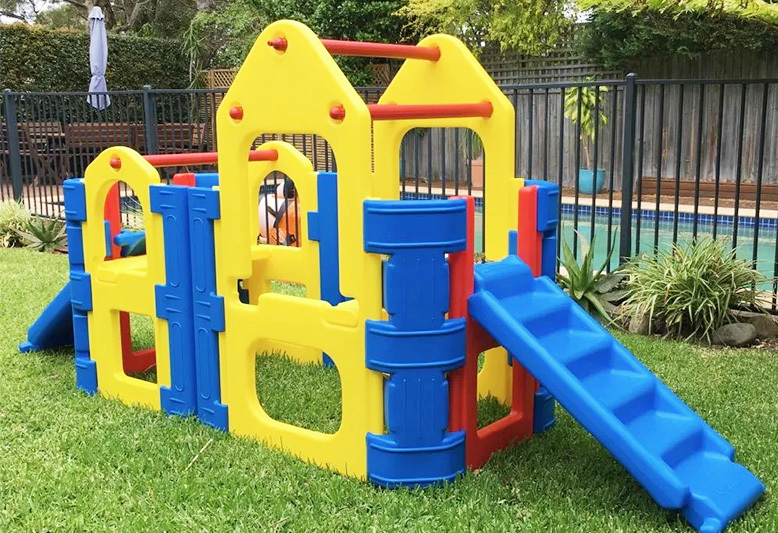
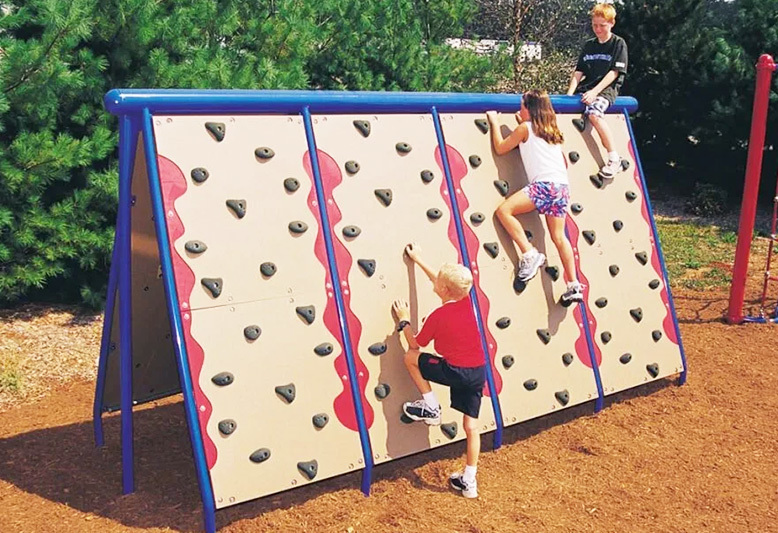
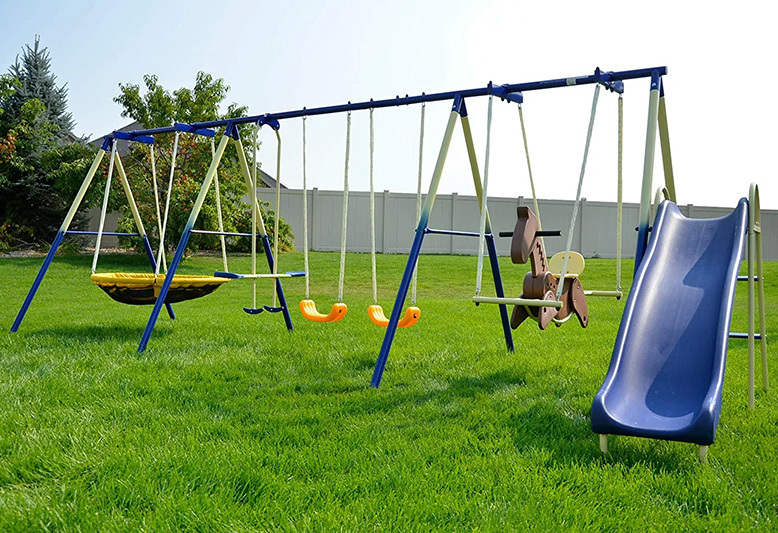
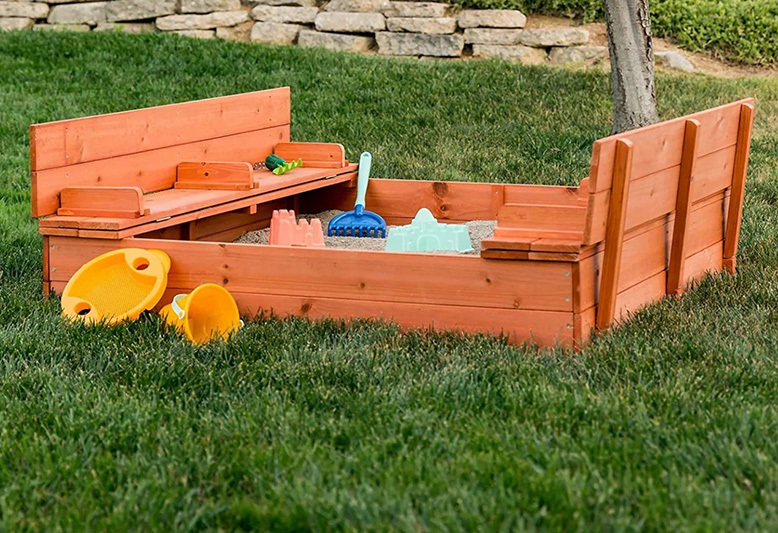



Age Based Guide to Sensory Play Equipment and Toys
Release time:
2025-12-26 17:10
Source:


Sensory play is a crucial part of early childhood development. Through touching, seeing, hearing, moving, and balancing, children learn how their bodies work and how to understand the world around them. Sensory equipment and sensory toys are widely used in homes, preschools, daycare centers, therapy rooms, and commercial play spaces to support children’s physical, cognitive, and emotional development.
This guide introduces sensory equipment and sensory toys by age group, helping parents, educators, and project planners choose the right solutions for children at different developmental stages.
Why Sensory Play Matters
Sensory play helps children:
- Develop fine and gross motor skills
- Improve balance, coordination, and body awareness
- Enhance focus and emotional regulation
- Explore cause-and-effect relationships
- Support language and social interaction
For children with special needs, such as autism or sensory processing differences, well-designed sensory equipment can also provide calming input or appropriate stimulation in a safe and structured way.

Sensory Equipment & Toys for Infants (0–12 Months)
Development Focus
- Tummy time and basic movement
- Visual and auditory stimulation
- Early tactile exploration
Recommended Sensory Equipment
- Soft play mats and floor cushions – provide a safe surface for rolling and crawling
- Textured sensory mats – introduce different tactile experiences
- Mirror panels – encourage self-recognition and visual tracking
- Low-height soft blocks – support early reaching and grasping
Key Benefits
- Builds muscle strength
- Stimulates vision and hearing
- Encourages early curiosity in a safe environment

Sensory Equipment & Toys for Toddlers (1–3 Years)
Development Focus
- Walking, climbing, and balancing
- Hand-eye coordination
- Sensory exploration through movement
Recommended Sensory Equipment
- Soft climbing sets and foam shapes – safe climbing, crawling, and sliding
- Balance ramps and low platforms – improve stability and confidence
- Push-and-pull sensory toys – support gross motor development
- Simple sensory panels – spinning wheels, sliders, and textures
Key Benefits
- Strengthens motor skills
- Encourages independent exploration
- Supports early problem-solving abilities

Sensory Equipment & Toys for Preschoolers (3–5 Years)
Development Focus
- Coordination and body control
- Imaginative and social play
- Sensory integration through active movement
Recommended Sensory Equipment
- Balance beams and stepping stones – develop coordination
- Sensory tables (sand & water play) – tactile and creative exploration
- Rockers and wobble boards – vestibular and balance training
- Role-play sensory setups – kitchens, shops, and themed play corners
Key Benefits
- Improves balance and motor planning
- Encourages cooperative play
- Enhances creativity and sensory awareness

Sensory Equipment & Toys for Early School Age (5–8 Years)
Development Focus
- Advanced motor skills
- Focus and emotional regulation
- Social interaction and teamwork
Recommended Sensory Equipment
- Climbing frames and rope nets – build strength and coordination
- Swing systems (platform, belt, cocoon) – vestibular sensory input
- Obstacle courses – support planning and sequencing skills
- Fidget and tactile tools – support focus and self-regulation
Key Benefits
- Builds confidence and physical strength
- Supports attention and emotional control
- Encourages cooperative and group play

Sensory Equipment & Toys for Older Children (8+ Years)
Development Focus
- Strength, endurance, and coordination
- Stress relief and emotional balance
- Sensory regulation
Recommended Sensory Equipment
- Advanced climbing structures – challenge physical abilities
- Spinning and balance equipment – stimulate vestibular systems
- Calming sensory spaces – bean bags, soft lighting, and acoustic panels
- Interactive sensory panels – logic, movement, and coordination games
Key Benefits
- Promotes physical fitness
- Helps manage stress and emotions
- Encourages independent sensory regulation

Sensory Equipment for Children with Special Needs
When selecting sensory equipment for children with special needs, consider:
- Adjustable intensity (gentle to active sensory input)
- Soft, safe, and durable materials
- Clear structure and predictable movement
- Options for both calming and alerting sensory experiences
Popular choices include: - Soft play systems - Swings and rocking equipment - Sensory tunnels and enclosed spaces - Wall-mounted sensory boards
Tips for Choosing the Right Sensory Equipment
- Match equipment to age and developmental level, not just chronological age
- Combine active and calming sensory elements
- Ensure safety standards and durable materials
- Plan flexible layouts that allow children to explore freely
- Choose modular systems that can grow with children
Conclusion
Sensory equipment and sensory toys play an essential role in supporting children’s development at every stage. By selecting age-appropriate sensory solutions, you can create engaging, safe, and meaningful play environments that encourage learning through movement and exploration.
Whether for a home play area, preschool classroom, therapy room, or commercial play space, a well-designed sensory environment helps children grow with confidence, creativity, and joy.
Looking for professional sensory equipment solutions or custom sensory play space design? Our team provides full-service support from planning and design to manufacturing and installation. Contact us to help set up your sensory room now!


You might be interested in
Create a safe and joyful
learning & playing space!

