email: info@moetryplay.com



-
 Airplane Children’s Outdoor Playground
Airplane themed children’s outdoor playground equipment with S shaped slide and single open slide.
View now
Airplane Children’s Outdoor Playground
Airplane themed children’s outdoor playground equipment with S shaped slide and single open slide.
View now
-
-
-
 A fun place for whole family. We provide play equipment for children.
 -
 Our product range perfectly cover what a childcare center need, either new center or existing one.
 -
 Play can have a special therapeutic value for ill children in hospital or pediatric therapy center.
 -
 Playgrounds bring the parents and children together to relax, play and make friends.
 -
 Playgrounds make hotels more family-friendly and encourage families to visit and stay.
 -
 Our products help children learn about history and future through all kinds of interactive play.
-
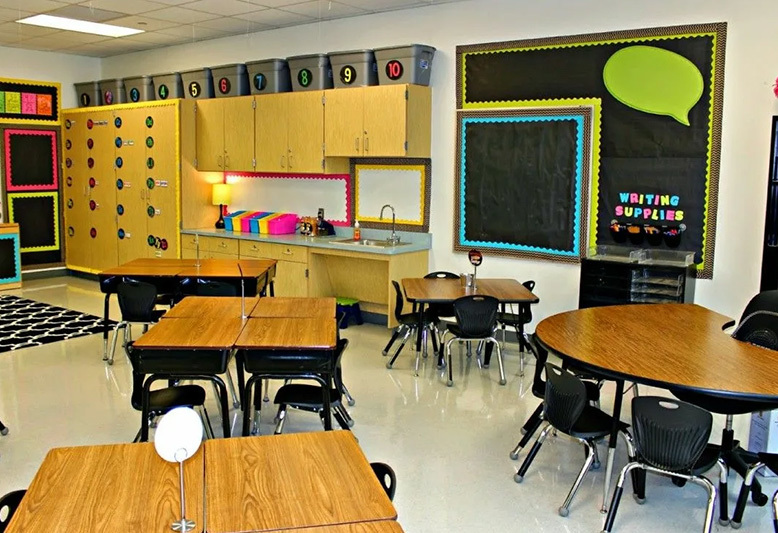
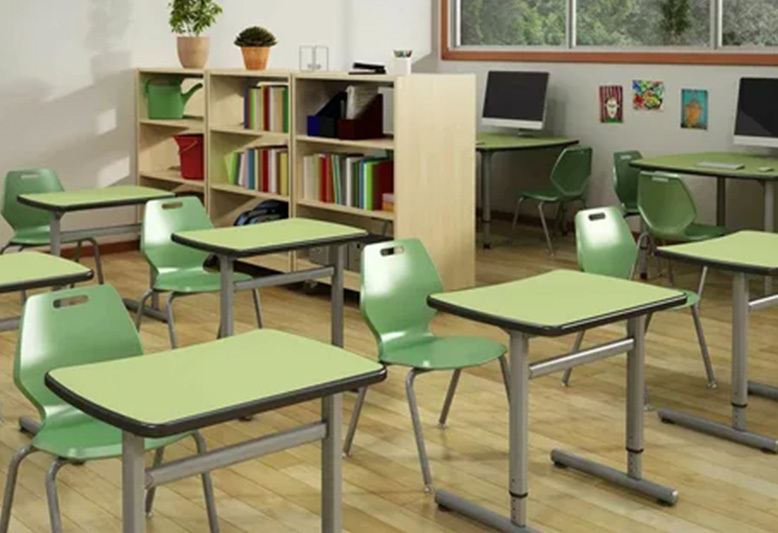
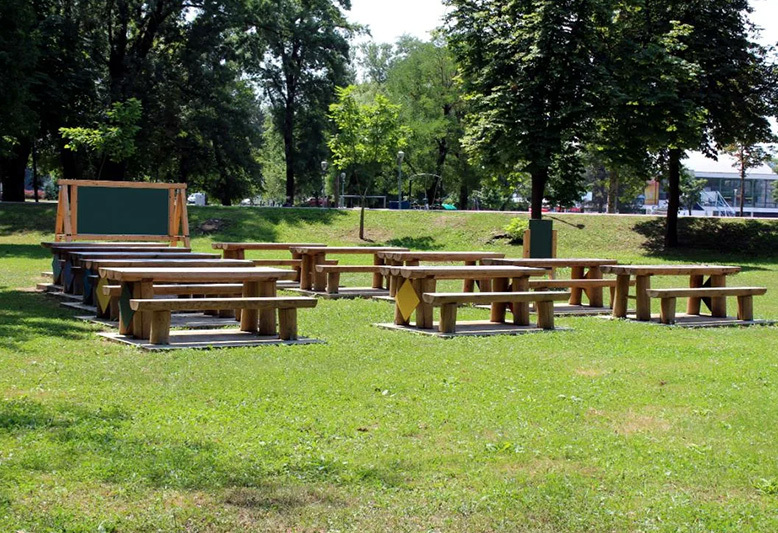
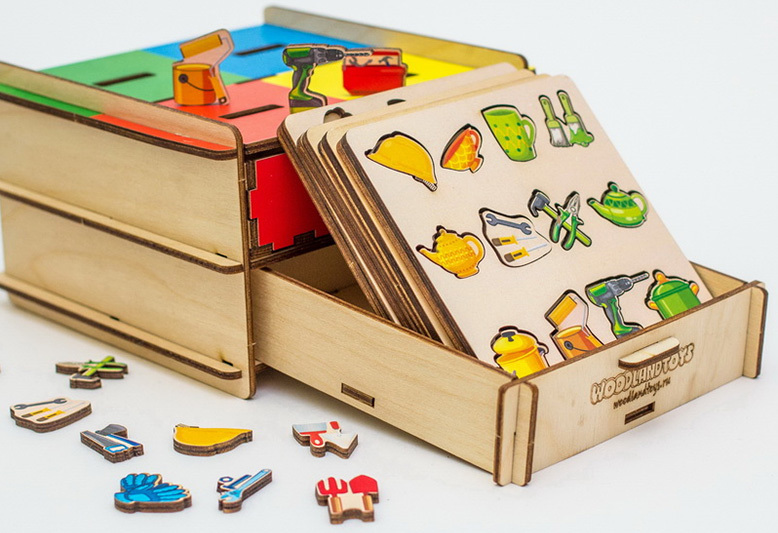


Cleaning and Maintenance Tips for Wooden Kindergarten Furniture
Release time:
2026-04-14 15:27
Source:


Wooden furniture is a beloved choice for kindergartens worldwide, thanks to its natural warmth, durability, and child-friendly texture. Whether it’s small tables, chairs, storage cabinets, or activity benches, well-maintained wooden furniture not only ensures a safe and hygienic environment for children but also extends its service life, bringing long-term value to kindergartens. Every piece of wooden furniture in the kindergarten is a companion for children’s growth, and proper maintenance is a way to protect their happy time. However, kindergartens are high-traffic areas with frequent use by active children, making proper cleaning and maintenance essential. In this blog, we’ll share practical tips to keep your wooden kindergarten furniture clean, safe, and in top condition.

I. Key Principles for Cleaning Wooden Kindergarten Furniture
Kindergarten furniture cleaning must prioritizesafety, gentleness, and thoroughness. Children have delicate skin and often touch or even put furniture surfaces in their mouths, so harsh chemicals and improper cleaning methods should be strictly avoided. Here are the core cleaning guidelines:
1. Daily Dusting: Keep Surfaces Free of Debris
Dust wooden furniture daily using a soft, lint-free microfiber cloth or a clean cotton rag. Gently wipe the surfaces, including table-tops, chair seats, cabinet doors, and edges, following the direction of the wood grain to avoid scratching the finish. For hard-to-reach gaps (such as between chair slats or cabinet hinges), use a soft-bristled brush to remove dust and crumbs—this prevents dirt buildup and bacterial growth.
2. Spot Cleaning: Tackle Stains Promptly
Kindergartens are prone to stains from food, paint, crayons, and drinks. Deal with stains immediately to prevent them from seeping into the wood or damaging the finish:
- Food and drink stains: Dampen a clean cloth with warm water (avoid excessive moisture) and a small amount of mild, non-toxic dish soap (child-safe, fragrance-free). Gently blot the stain, then wipe the area with a dry cloth to remove any residual moisture. Never rub vigorously, as this can scratch the wood.
- Crayon or marker stains: Use a dry eraser or a soft cloth dipped in a tiny amount of child-safe wood cleaner to gently rub the stain. For stubborn marks, a small amount of baking soda mixed with water (into a paste) can be used—apply lightly, wipe clean, and dry immediately.
- Water stains: If water is spilled, wipe it up immediately with a dry cloth. For water rings that remain, apply a small amount of olive oil or child-safe wood polish to a soft cloth and gently buff the area in circular motions.
3. Disinfection: Ensure Hygiene Without Damage
Hygiene is crucial in kindergartens, but disinfection must not harm the wooden furniture. Avoid using harsh disinfectants containing alcohol, bleach, or ammonia—these can strip the wood finish, cause discoloration, or leave toxic residues.
Instead, use a child-safe, non-toxic disinfectant spray (formulated for wooden surfaces) or make your own by mixing equal parts white vinegar and water. Spray the solution onto a cloth (not directly onto the furniture) and wipe the surfaces, then dry with a clean cloth. Vinegar is a natural disinfectant that kills bacteria without damaging the wood or posing a risk to children. All cleaning and maintenance products must meet EU/US child safety standards to ensure they are non-toxic and harmless to children’s health.
II. Essential Maintenance Tips to Extend Service Life
Wooden furniture is durable, but it requires regular maintenance to resist wear, warping, and damage—especially in a busy kindergarten setting. Follow these tips to keep your furniture in good shape for years:
1. Protect the Finish
Most wooden kindergarten furniture comes with a protective finish (such as child-safe water-based paint or clear varnish) to shield the wood from moisture and scratches. Different wooden materials have slight differences in maintenance focus: Rubberwood furniture needs more humidity protection in dry seasons to prevent cracking, while birch wood furniture requires extra scratch prevention due to its relatively delicate surface. To preserve the finish of any wooden furniture:
Avoid placing hot items (such as hot food bowls, mugs, or heating devices) directly on the furniture—use heat-resistant mats or coasters.
Prevent sharp objects (such as scissors, toy cars, or pencils) from scratching the surface. Place soft mats on table-tops and encourage children to handle toys gently.
Refrain from using abrasive cleaners, steel wool, or scouring pads—these will scratch and dull the finish.

2. Control Humidity and Temperature
Wood is sensitive to changes in humidity and temperature, which can cause warping, cracking, or splitting. To protect your wooden furniture:
Keep the kindergarten’s indoor humidity between 40% and 60%—use a humidifier in dry seasons and a dehumidifier in damp weather.
Avoid placing furniture near air conditioning vents, radiators, or windows with direct sunlight. Direct sunlight can fade the finish and dry out the wood, while extreme heat or cold can cause warping.
Ensure furniture is not placed directly on damp floors—use moisture-proof pads or risers to keep it elevated. Our wooden furniture are shipped with
3. Regular Inspection and Repair
Check wooden furniture regularly (monthly is recommended) for signs of damage, such as loose screws, cracks, or chipped finish. Prompt repairs can prevent small issues from becoming bigger problems:
Tighten loose screws or bolts on chairs, tables, and cabinets to ensure stability—wobbly furniture can be dangerous for children.
For small scratches or chips in the finish, use a child-safe wood touch-up pen (matching the furniture color) to cover the damage. For deeper scratches that reach the wood, consult a professional for repair.
If furniture shows signs of warping or cracking, move it to a more stable environment (with consistent humidity and temperature) and contact a furniture repair expert if needed.

4. Seasonal Maintenance
Adjust your maintenance routine according to the seasons to adapt to changing environmental conditions, and pay attention to the characteristics of different wooden materials: For rubberwood furniture, focus on humidity control in dry seasons; for birch wood furniture, avoid sharp objects to prevent scratches;
- Dry seasons (e.g., winter): Increase humidity in the room and apply a thin layer of child-safe wood conditioner every 3–6 months to keep the wood hydrated and prevent cracking.
- Damp seasons (e.g., summer or rainy seasons): Increase ventilation, use dehumidifiers, and wipe furniture surfaces more frequently to prevent mold or mildew. Avoid leaving wet cloths on the furniture.
- Dry seasons (e.g., winter): Increase humidity in the room and apply a thin layer of child-safe wood conditioner every 3–6 months to keep the wood hydrated and prevent cracking.
- Damp seasons (e.g., summer or rainy seasons): Increase ventilation, use dehumidifiers, and wipe furniture surfaces more frequently to prevent mold or mildew. Avoid leaving wet cloths on the furniture.

III. Important Dos and Don’ts for Kindergarten Use
Dos ✅
- Do teach children to use furniture gently—no climbing on chairs, standing on tables, or dragging furniture across the floor.
- Do clean up spills immediately to prevent moisture damage.
- Do use child-safe, non-toxic cleaning and maintenance products.
- Do place furniture in well-ventilated areas with consistent temperature and humidity. Additionally, use furniture pads under chair legs to avoid floor scratches and furniture wear, which can also extend the service life of the furniture.
Don’ts ❌
- Don’t use harsh chemicals (alcohol, bleach, ammonia) on wooden furniture—they are toxic and damaging.
- Don’t let furniture sit in direct sunlight for long periods—this causes fading and drying.
- Don’t drag furniture—lift it gently to avoid scratching floors and damaging the furniture’s legs or joints.
- Don’t ignore signs of damage—small cracks or loose parts can become safety hazards for children.
IV. Conclusion
Wooden kindergarten furniture brings warmth and safety to children’s learning and playing spaces, and proper cleaning and maintenance are key to preserving its beauty and functionality. By following these simple, child-safe tips—prioritizing gentle cleaning, controlling humidity, protecting the finish, and addressing damage promptly—you can ensure your wooden furniture remains a safe, durable, and welcoming part of the kindergarten environment for years to come.
Remember, a little care goes a long way. With regular maintenance, your wooden kindergarten furniture will continue to provide a comfortable and safe space for children to learn, play, and grow. You can also involve children in simple maintenance tasks (such as wiping the table with a soft cloth) to cultivate their awareness of caring for items and let them feel the joy of protecting their own living space.
Related Products
You might be interested in
Create a safe and joyful
learning & playing space!

