email: info@moetryplay.com



-
 Airplane Children’s Outdoor Playground
Airplane themed children’s outdoor playground equipment with S shaped slide and single open slide.
View now
Airplane Children’s Outdoor Playground
Airplane themed children’s outdoor playground equipment with S shaped slide and single open slide.
View now
-
-
-
 A fun place for whole family. We provide play equipment for children.
 -
 Our product range perfectly cover what a childcare center need, either new center or existing one.
 -
 Play can have a special therapeutic value for ill children in hospital or pediatric therapy center.
 -
 Playgrounds bring the parents and children together to relax, play and make friends.
 -
 Playgrounds make hotels more family-friendly and encourage families to visit and stay.
 -
 Our products help children learn about history and future through all kinds of interactive play.
-



How to Design a Reggio Inspired Classroom for Kids
Release time:
2026-03-20 17:24
Source:


Designing a classroom today is no longer just about placing tables and chairs—it’s about creating an environment that inspires creativity, independence, and meaningful learning. A Reggio-inspired classroom does exactly that by transforming space into a powerful educational tool.
In this guide, you’ll learn how to design a beautiful, functional, and high-end Reggio-inspired classroom that not only supports children’s development but also impresses parents and clients.
What Is a Reggio-Inspired Classroom?
A Reggio-inspired classroom is based on the philosophy that the environment is the “third teacher”, alongside educators and peers. Instead of traditional layouts, these classrooms are:
- Child-centered and flexible
- Rich in natural materials
- Designed for exploration and collaboration
- Visually calm and aesthetically pleasing
This approach is widely adopted in premium childcare centers across Australia, Europe, and North America.
Step 1: Start with an Open and Flexible Layout
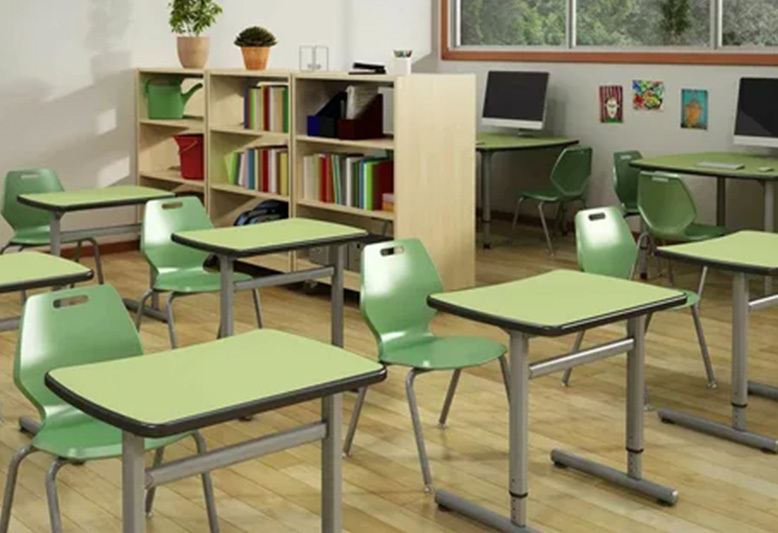
Unlike traditional classrooms, a Reggio-inspired space is organized into learning zones, not rows of desks.
Key layout principles:
- No fixed teacher-centered area
- Clear, open pathways for movement
- Multiple “learning islands” for different activities
- A central shared space (often called a Piazza)
Pro Tip:
Design your classroom like a mini ecosystem where children can freely move, choose, and explore.

Step 2: Create Essential Learning Zones
A well-designed Reggio classroom typically includes the following zones:
🎨 Atelier (Art Studio)
This is the heart of the classroom. Include:
- Large shared work table
- Easels and painting stations
- Open shelves with visible materials
- Sink for easy cleaning
Why it matters:
Encourages creativity and self-expression through multiple “languages” like drawing, sculpting, and crafting.

🧩 Exploration & Construction Area
Designed for hands-on learning and problem-solving. Include:
- Wooden blocks and loose parts
- Open storage units
- Floor rugs for building
Focus on natural, open-ended materials instead of plastic toys.

📚 Reading & Quiet Corner
A cozy, calming retreat for children. Include:
- Soft seating or cushions
- Low bookshelves (front-facing books)
- Warm lighting
This area supports emotional regulation and independent learning.

🌿 Nature & Science Area
Perfect for inquiry-based exploration. Include:
- Plants and natural elements
- Light table or sensory table
- Magnifiers and observation tools
Nature-based learning is especially valued in high-end childcare environments.

🟡 Central Piazza (Shared Space)
The social hub of the classroom. Include:
- Round carpet or flexible seating
- Space for group discussions and presentations
This area builds communication and collaboration skills.

Step 3: Choose the Right Furniture
Furniture plays a crucial role in both function and aesthetics.
Key features of Reggio-style furniture:
- Child-sized and accessible
- Made from natural materials (wood is preferred)
- Open and minimal design
- Lightweight and movable
Avoid:
Bulky cabinets
Bright plastic furniture
Fixed layouts

Step 4: Use Natural Light and Neutral Colors
A Reggio-inspired classroom should feel calm, warm, and inviting.
Design tips:
- Maximize natural light with large windows
- Use neutral tones like beige, wood, and soft white
- Add texture through fabrics, baskets, and wood
Lighting is not just functional—it’s part of the learning experience.

Step 5: Make Learning Visible
Documentation is a key element of Reggio design. Include:
- Display panels with children’s work
- Photos of learning processes
- Notes and observations
This helps children reflect on their learning and makes the environment more meaningful.

Step 6: Incorporate Nature and Sustainability
Modern parents and educators highly value eco-conscious environments. Add:
- Indoor plants
- Natural materials like wood, stone, and fabric
- Sustainable furniture and finishes
This is especially important for Australian and European markets.

Step 7: Design for Flexibility and Growth
A great classroom evolves with children. Ensure:
- Furniture can be rearranged easily
- Spaces can adapt to different activities
- Materials can be updated based on learning themes
Think of the classroom as a living, changing environment.
Common Mistakes to Avoid
❌ Overcrowding the space
❌ Using too many bright colors
❌ Hiding materials in closed cabinets
❌ Designing for adults instead of children
❌ Ignoring lighting and natural elements
How We Can Help You Create the Perfect Classroom
At Moetry, we specialize in designing and delivering Reggio-inspired learning environments tailored to your needs. We offer a complete, one-stop solution:
- Custom classroom design
- High-quality furniture production
- Global shipping
- Installation guidance
- After-sales support
Whether you’re building a new childcare center or upgrading an existing one, we help you turn your vision into a functional and inspiring space.
Want a Custom Classroom Design?
Contact us today to get a tailored layout, 3D design, and quotation for your childcare project.
Let’s create a space where learning truly comes alive 🌿
Related Products
You might be interested in
Create a safe and joyful
learning & playing space!

